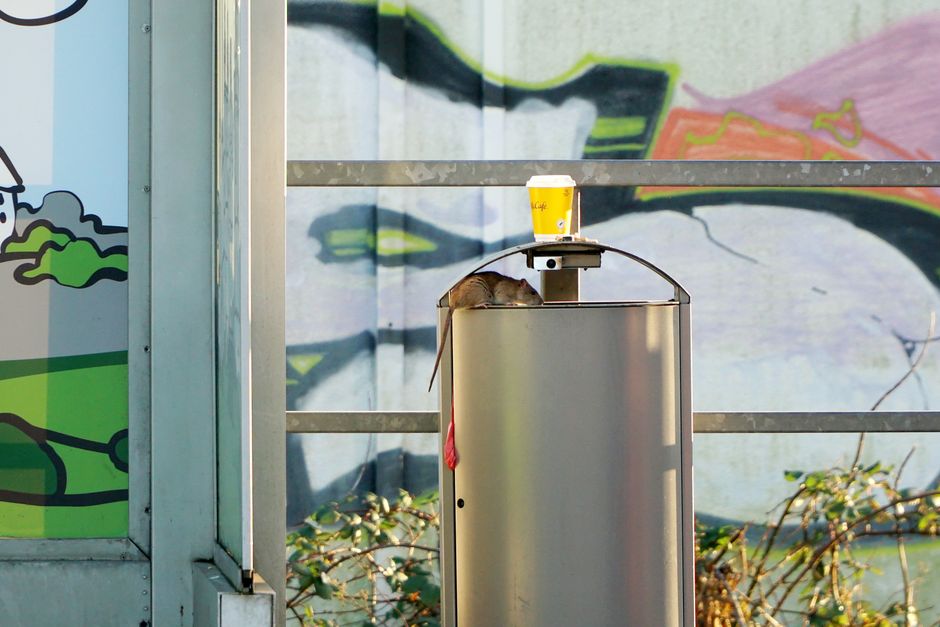
Tackling pest-attracting rubbish in Bermondsey homes
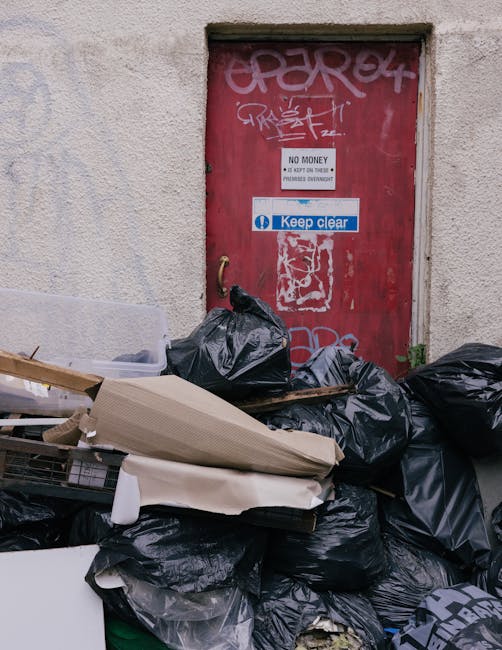
If you have ever opened a cupboard, stepped into a yard, or lifted a bag of forgotten rubbish and thought, "Right, that needs sorting now," you are not alone. In Bermondsey homes, leftover food packaging, damp cardboard, old soft furnishings, and overflowing bins can quickly become a magnet for pests. Tackling pest-attracting rubbish in Bermondsey homes is not just about tidying up; it is about cutting off the conditions that invite rodents, flies, ants, and other unwanted visitors in the first place.
This guide breaks the problem down in plain English. You will learn what counts as pest-attracting rubbish, why it matters in a dense London setting, how to deal with it safely, and when a proper clearance makes more sense than a weekend of bin bags and crossed fingers. There are practical steps, common mistakes, and a realistic checklist you can use straight away. Let's face it, rubbish has a way of breeding problems when left too long.
Why Tackling pest-attracting rubbish in Bermondsey homes Matters
Rubbish attracts pests because it gives them three things they are always looking for: food, shelter, and moisture. In a Bermondsey home, that might mean a bag of kitchen waste waiting by the back door, a stack of wet cardboard in the hallway, or broken furniture collecting dust in a loft or garage. Once pests find a reliable source, they tend to stay. And once they settle, the problem gets bigger, not smaller.
That is especially true in tighter urban settings. Terrace properties, flats, converted buildings, shared entrances, basement spaces, and small yards all make it easier for pests to move from one hiding place to another. A neighbour's bin area, an alley, or a communal refuse store can also affect your home even if the issue did not begin with you. So yes, it feels like a housekeeping job at first, but it behaves more like prevention work.
There is also a cleanliness angle that people sometimes underestimate. Rotting food residue, damp waste, and old clutter can create smells, stains, and general grime that make a property feel neglected. That is not just unpleasant. It can make everyday life harder, reduce comfort, and add stress when visitors, landlords, tenants, or buyers are involved.
For homes that are already under strain, perhaps after a renovation, a move, or a long period of storage build-up, rubbish can become part of a wider pattern of disorganisation. In those cases, a full home clearance service can be a practical way to reset the space instead of trying to battle it item by item.
Expert summary: The sooner rubbish stops sitting, smelling, and attracting flies, the easier it is to prevent a pest problem from becoming a repeated one. In most homes, the real win is speed plus consistency, not perfection.
How Tackling pest-attracting rubbish in Bermondsey homes Works
The process is simpler than people expect, though it does take a bit of discipline. First, you identify the materials most likely to draw pests. Then you separate what can be reused, what can be recycled, and what genuinely needs disposal. After that, you remove the waste promptly, clean the area around it, and make the storage space less hospitable.
In practical terms, you are looking for the usual suspects: food packaging with residue, bin liners that have split, old cardboard, forgotten shopping bags, unused pet food, soiled fabrics, damp paper, rotting garden waste, and broken household items that trap crumbs or moisture. A pile of rubbish does not need to be huge to become a problem. A couple of warm, damp bags in the wrong place can be enough. Annoying, but true.
The method also depends on the type of property. In a flat, the issue is often storage and shared bin access. In a house, it may be loft, garage, cellar, or garden waste. In a basement or ground-floor space, pests can enter more easily through small gaps, so rubbish left near those entry points becomes even more of a risk. That is why clearing waste and sealing the space go hand in hand.
If the rubbish includes bulky items, damaged furniture, or mixed materials, a general waste collection may not be the smartest route. Services such as waste removal or furniture disposal are often more efficient when the mess is not just one bin bag at a time.
What pest-attracting rubbish usually looks like
- Open food waste or packaging with residue
- Wet cardboard, newspapers, or paper sacks
- Old mattresses, soft chairs, or fabric items holding dust and crumbs
- Garden cuttings left to rot near the property
- Overflowing indoor bins or outside wheelie bins
- Cluttered lofts, garages, or storage cupboards with hidden debris
Once you know what to look for, the pattern becomes clearer. And that is half the battle, honestly.
Key Benefits and Practical Advantages
Removing pest-attracting rubbish has obvious hygiene benefits, but the practical gains go further than many homeowners realise. The immediate benefit is lower pest pressure. Fewer food sources and hiding places mean fewer chances for rodents and insects to settle in.
There is also a very real time-saving benefit. A home that stays clear is simply easier to clean and maintain. You spend less time moving things around to reach the floor, less time wiping down dirty corners, and less time dealing with surprise messes when you should be doing something else. Weekends are short enough already.
Another advantage is better odour control. Old waste, damp cardboard, and soft furnishings can hold smells long after the original rubbish is gone. Once those items are removed, the house feels fresher, not just cleaner.
Here is a simple comparison of what people often notice:
| Approach | What it solves | Typical drawback | Best for |
|---|---|---|---|
| Leaving rubbish in place | Nothing meaningful | Higher pest risk, smells, clutter | Very little, to be honest |
| Gradual DIY sorting | Some clearing, some separation | Takes time, can stall midway | Small, manageable amounts |
| Targeted clearance | Fast removal of problem waste | Needs planning and access | Bulky or mixed household rubbish |
| Full property clearance | Resets the space properly | More involved upfront | Serious clutter, long-term buildup |
For many homes, the best outcome is not only fewer pests but also a space that feels calmer. That matters more than people admit. Clutter has a way of making a property feel louder somehow, like it is always asking for attention.
Who This Is For and When It Makes Sense
This is for anyone whose waste has moved beyond the "take it out later" stage. That could be a homeowner dealing with an overflowing utility room, a landlord preparing a property between tenancies, a tenant trying to get a flat back under control, or a family clearing out a garage after a few too many years of "we might need that someday."
It also makes sense after renovation work, house moves, end-of-tenancy cleanouts, or a period of poor weather when rubbish has sat around getting damp. In Bermondsey, flats and smaller homes can be especially vulnerable because storage is tight. Things get tucked into corners, then forgotten. A month later, you have a smell you cannot quite place and a few curious moths hovering near the bin. Not ideal.
People often ask whether a few bags really matter. Sometimes no. Sometimes absolutely yes. If the bags contain food scraps, baby food containers, pet waste, or wet organic material, the risk rises quickly. If the rubbish is in a shed, communal bin store, basement, or garden corner, the risk rises again.
It is also worth noting that some situations are better handled with a broader clear-out. For example, if pest-attracting rubbish is mixed with broken furniture or old household items, a house clearance or flat clearance can save a lot of wasted effort.
When you should act quickly
- You can smell waste before you see it
- There are signs of droppings, gnaw marks, or nesting material
- Flies keep appearing in one room or near a bin
- Rubbish has been left wet for several days
- Clutter is blocking access to areas you need to clean
If any of that sounds familiar, the sensible move is to deal with it now, not after another weekend has passed.
Step-by-Step Guidance
Here is a practical way to tackle the problem without making it more chaotic than it already is. Keep it simple. That tends to work best.
- Inspect the problem areas. Check kitchens, utility spaces, under sinks, lofts, garages, sheds, bins, and any corner where rubbish tends to gather.
- Separate the waste. Sort food waste, recycling, bulky items, and general rubbish. Remove anything that is wet, spoiled, or likely to attract pests first.
- Bag and seal properly. Use strong bags. Tie them securely. If something leaks, double-bag it. A bag that smells can attract pests long before collection day.
- Move waste out of the property quickly. Do not leave bags in hallways or near doors longer than necessary.
- Clean the affected area. Sweep, vacuum, and wipe down surfaces. Pay attention to crumbs, spills, and corners where dust collects.
- Check for entry points. Small gaps around pipes, vents, and doors can let pests in. You do not need a building survey; you just need a careful look.
- Reset storage habits. Store food securely, keep bins lidded, and avoid stacking damp cardboard or fabrics in hidden areas.
If the rubbish includes bulky household items, this is usually the point where people realise the job is bigger than one trip to the communal bin. That is normal. It is also why many choose an arranged clearance instead of piecemeal disposal.
For stored items that have gone stale rather than actively rotten, a loft clearance or garage clearance can be a clean way to remove the clutter without dragging it through the rest of the home twice.
Expert Tips for Better Results
A few habits make a big difference. First, do not let rubbish become "temporary storage." That is how bin bags end up living by the back door for three days. Then four. Then suddenly the cat is staring at them like they owe money.
Second, tackle moisture as well as waste. Damp conditions help pests thrive. If you are clearing a cellar, a shed, or a poorly ventilated room, drying the space matters almost as much as removing the rubbish itself. Fresh air, if possible, helps. So does not leaving wet cardboard sitting against a wall.
Third, keep any organic waste separate from general clutter. Food scraps, used nappies, and pet waste need faster removal than old magazines or broken lamps. Mixing them together only makes the job harder and the smell worse. A bit grim, yes, but worth saying plainly.
Fourth, if your rubbish includes damaged furniture, torn fabric, or dusty items that may have harboured pests, think in terms of complete removal rather than moving the problem from one room to another. The right clearance can prevent repeat contamination. In some homes, furniture clearance is the cleaner choice because it handles the bulky, awkward stuff in one go.
Finally, remember that good clearance is not only about disposal. It is about restoring usable space. If you can walk through a room without weaving around bags, boxes, and old chairs, you are already on the right track.
Common Mistakes to Avoid
Some mistakes show up again and again. The first is leaving rubbish "for later" because the mess looks manageable. It often is not. The longer waste sits, the more it can spread odour, moisture, and pest activity.
The second is using weak bags or overfilling them. Bags split. Then crumbs fall. Then pests notice. It is a small mistake with an annoyingly big consequence.
The third is forgetting hidden spaces. People clear the kitchen bin area but miss the cupboard under the sink, the far corner of the loft, or the damp patch behind old storage. Pests are not impressed by partial cleaning. They find the leftovers.
The fourth is moving rubbish into another room, thinking that counts as progress. It does not, really. It just changes the location of the problem.
The fifth is ignoring mixed waste. When rubbish is tangled up with broken chairs, old mattresses, or builder-style leftovers, the job usually needs a more structured solution. If the issue started after refurb work, it may overlap with builders waste clearance rather than ordinary household bin emptying.
Tools, Resources and Recommendations
You do not need a complicated kit to deal with pest-attracting rubbish, but a few basics help. Strong refuse sacks, gloves, a dustpan and brush, disinfectant or cleaning spray, bin liners, and a torch are a decent start. A torch sounds almost silly until you are looking behind a freezer or under loft boards at 8pm and need to spot old nesting material. Then it is the hero of the hour.
For larger clear-ups, a sack cart, reusable storage crate, or sturdy moving trolley can reduce trips and make the work less awkward. That matters if you are carrying rubbish down stairs or through a narrow Bermondsey hallway where every corner seems to catch something. Anyone who has wrestled a bag past a banister knows the feeling.
Useful local and service considerations include:
- Responsible removal: Choose a clearance approach that separates reusable, recyclable, and waste items where possible.
- Property type: Flats, houses, garages, and lofts all need different handling.
- Access: Staircases, parking, and narrow entrances may affect how the waste is moved.
- Timing: Prompt removal is often the difference between a temporary problem and a recurring one.
If you are comparing options, it can help to look at the provider's wider approach to recycling and sustainability, as well as their insurance and safety arrangements. Those details matter when you are letting someone handle waste inside a home.
Law, Compliance, Standards, or Best Practice
Waste handling in the UK is expected to follow sensible legal and environmental standards, and householders should be careful not to leave rubbish where it causes nuisance, hazards, or pest activity. You do not need to become a legal expert to do the right thing. But you do need to avoid fly-tipping, unsafe storage, and careless disposal.
In practical terms, best practice means keeping waste contained, removing it promptly, and making sure anything sharp, contaminated, or potentially hazardous is handled appropriately. If you are dealing with items that may have been contaminated by pests, wear gloves and avoid direct contact where possible. If there is any serious infestation, contamination, or structural issue, it is sensible to get proper professional advice rather than guessing your way through it.
For householders and landlords, there is also a duty of care mindset to keep in view: waste should be managed responsibly, not dumped or left to create a nuisance. That is especially relevant in shared buildings, where one person's rubbish can quickly become everyone's headache.
Service providers should also work transparently. If you are arranging a clearance, useful pages like terms and conditions, payment and security, and complaints procedure can help you understand what to expect before the work begins.
Options, Methods, or Comparison Table
There are usually three ways to deal with pest-attracting rubbish in Bermondsey homes. The best one depends on the amount of waste, the type of property, and how quickly you need it gone.
| Method | Pros | Cons | Best use case |
|---|---|---|---|
| DIY bagging and bin disposal | Low cost, immediate for small amounts | Time-consuming, can miss hidden waste | Minor rubbish buildup in one room |
| Targeted item removal | Useful for bulky or awkward items | May not solve underlying clutter | Furniture, loft junk, garage waste |
| Full home or flat clearance | Resets the space properly, faster for larger jobs | More planning needed | Long-term clutter, mixed rubbish, recurring pest risk |
There is no prize for doing the hardest version the slowest way. If the space is badly affected, a broader clearance usually wins on time, convenience, and peace of mind.
For people living in smaller homes, furniture disposal is sometimes the cleanest middle ground when the problem is dominated by old sofas, chairs, or cabinets that are collecting dust and inviting trouble.
Case Study or Real-World Example
Picture a Bermondsey flat after a busy few months: one recycling bag split in the kitchen, a couple of takeaway boxes got tucked behind a cupboard "for the next round," and an old armchair in the spare room had become a dumping spot for paper bags, spare cords, and odd bits of packaging. Nothing dramatic on its own. But over time, the smell became noticeable, then flies appeared, and the resident started hearing movement at night near the wall behind the bin area.
The fix was not complicated, though it did require a proper reset. First, the rubbish and clutter were sorted into food waste, recycling, and general items. The armchair and other bulky pieces were removed. Then the kitchen and storage spaces were cleaned thoroughly, and the hidden corner behind the cupboard was checked for crumbs and damp. The result was not just a tidier flat; it was a much less inviting environment for pests.
What stands out in situations like this is how ordinary the problem looked at first. It was not a huge pile, not some extreme mess. Just enough waste, left long enough, in the wrong places. That is the bit people often miss.
In a similar home, a flat clearance can remove the stress of sorting multiple categories alone, especially when stairs, limited storage, and tight access make the job feel bigger than it is.
Practical Checklist
Use this checklist before, during, or after you tackle pest-attracting rubbish in a Bermondsey home.
- Remove food waste and any leaking bags first
- Check under sinks, behind bins, and inside cupboards
- Separate recyclable items from general rubbish
- Bag waste securely and avoid overfilling
- Clear out damp cardboard, old paper, and fabric clutter
- Move rubbish out of the home quickly
- Clean the floor, skirting boards, and surrounding surfaces
- Inspect for signs of pests such as droppings or nesting material
- Store remaining food and waste in sealed containers
- Arrange a larger clearance if the mess keeps coming back
Practical takeaway: if you only do one thing today, remove the food-bearing waste and any damp clutter. That alone often changes the situation fast.
Conclusion
Tackling pest-attracting rubbish in Bermondsey homes is one of those jobs that looks small until you start it, and then you realise it affects nearly everything else: smell, hygiene, comfort, storage, and peace of mind. The good news is that once the rubbish goes, the space usually feels lighter immediately. Cleaner. Easier to live in.
The smartest approach is to remove the waste quickly, clean thoroughly, and stop the same clutter pattern from rebuilding itself. Whether you can handle it with a few strong bags and a Saturday morning clear-out, or you need a more complete property clearance, the goal is the same: make the home less inviting to pests and more manageable for the people living there.
Take it one room at a time if you need to. Small progress counts. And once the worst is gone, the rest usually feels possible.
Get a free quote today and see how much you can save.
Frequently Asked Questions
What kinds of rubbish attract pests in a home?
Food waste, greasy packaging, damp cardboard, pet waste, overflowing bin bags, and clutter that traps crumbs or moisture are the main culprits. Old fabric and soft furnishings can also become a problem if they are stored in damp or dusty areas.
Why is pest-attracting rubbish such a problem in Bermondsey homes?
Because many homes in Bermondsey are in compact, closely connected buildings where pests can move between spaces more easily. Shared bin stores, small storage areas, and limited ventilation can all make rubbish issues worse if they are left unchecked.
How quickly should rubbish be removed if it may attract pests?
As quickly as possible, especially if it contains food, organic waste, or anything wet. The longer it sits, the more likely it is to cause smell, contamination, and pest activity.
Can I just spray something to stop pests instead of removing the rubbish?
No, not really. Cleaning sprays may help with hygiene, but they do not remove the food source or shelter that attracts pests. Removal is the real fix; cleaning is the support act.
What should I do if the rubbish is mixed with old furniture?
Separate what can be reused or recycled, then arrange removal for the bulky items. If furniture is part of the problem, a dedicated furniture clearance or furniture disposal approach is often more practical than trying to handle it with ordinary household bags.
Is it safe to clear pest-attracting rubbish myself?
Often yes, if the amount is small and you can do it safely with gloves and strong bags. If there are signs of serious infestation, contamination, sharp objects, or heavy items, it is wiser to take a more cautious approach.
What are the warning signs that rubbish has started attracting pests?
Bad smells, flies, droppings, gnaw marks, scratching sounds, nesting material, and repeated sightings of insects around waste areas are all signs to take seriously.
How do I stop rubbish from attracting pests again?
Keep food waste sealed, empty bins regularly, avoid storing damp cardboard, and do not let clutter build up in hidden corners. A tidy storage habit is more effective than people expect. Really, it is.
Do lofts and garages count as problem areas?
Absolutely. Loft and garage spaces often collect forgotten rubbish, old furniture, and damp items that attract pests. They are easy places for a problem to hide because they are not checked every day.
When is a full clearance better than DIY rubbish removal?
When the waste is bulky, mixed, long-standing, or spread across several rooms. If you keep starting and stopping without making a real dent, a fuller clearance is often the quicker and calmer solution.
What should I look for in a rubbish removal service?
Look for clear pricing, safe handling, responsible disposal, and a sensible approach to recycling. It also helps if the provider is transparent about safety, insurance, and how complaints or payment are handled.
Can pest-attracting rubbish affect a rental property?
Yes. It can create hygiene issues, cause complaints, and make the property harder to live in or let out. In rental homes, fast action is especially important because the problem can spread across shared spaces or affect the next occupant.
What if the rubbish is in a flat with limited access?
Then planning matters more. Narrow stairs, lifts, communal hallways, and parking restrictions can all affect removal. In those cases, a structured flat clearance can save a lot of hassle and reduce the chance of leaving waste behind.
Does clearing rubbish really help with pest prevention?
Yes, very much so. Removing food sources, nesting material, and damp clutter makes the home less attractive to pests. It is one of the simplest and most effective prevention steps you can take.