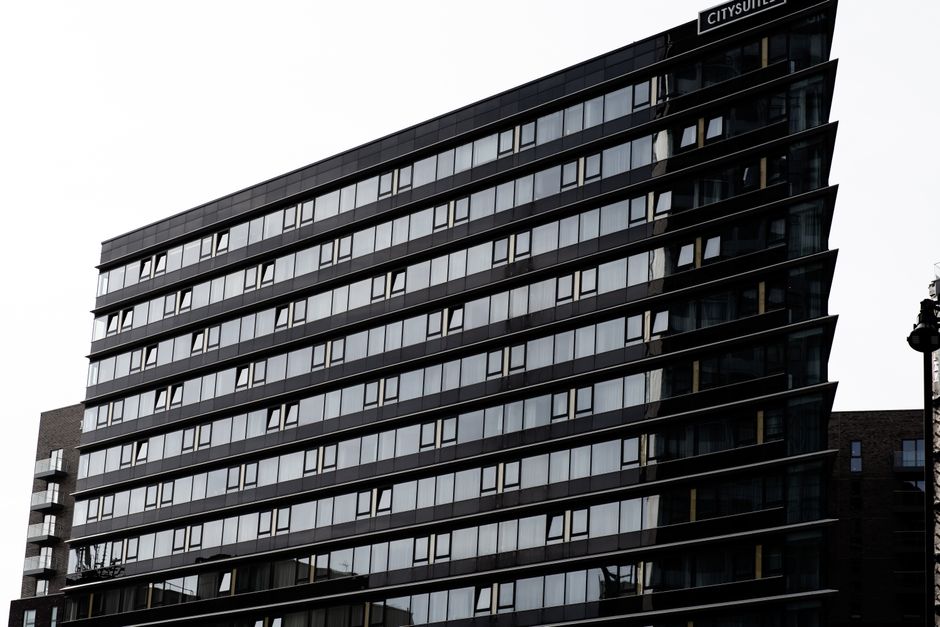
How we cleared a Bermondsey office block in 48 hours
If you have ever walked into an office block on a Monday morning and thought, "Right, this cannot all stay here," you will understand the pressure behind How we cleared a Bermondsey office block in 48 hours. Tight turnaround. Shared access. Old desks, broken chairs, archived paperwork, mixed waste, and a building manager who wants the place back in use yesterday. That was the brief. No drama, just a lot to move, sort, protect, and clear without getting in anyone's way.
In this article, we break down how a fast office clearance is planned, what actually happens on the ground, and why the 48-hour window matters more than it first appears. You will also see the practical steps, the common mistakes to avoid, and the decisions that make a rushed job feel calm instead of chaotic. Truth be told, speed matters less than control. But you usually need both.
Table of Contents
- Why How we cleared a Bermondsey office block in 48 hours Matters
- How How we cleared a Bermondsey office block in 48 hours Works
- Key Benefits and Practical Advantages
- Who This Is For and When It Makes Sense
- Step-by-Step Guidance
- Expert Tips for Better Results
- Common Mistakes to Avoid
- Tools, Resources and Recommendations
- Law, Compliance, Standards, or Best Practice
- Options, Methods, or Comparison Table
- Case Study or Real-World Example
- Practical Checklist
- Conclusion
- Frequently Asked Questions
Why How we cleared a Bermondsey office block in 48 hours Matters
A rapid office clearance is not just about getting things out of a building. In Bermondsey, where access can be awkward, parking can be limited, and businesses often work to very tight schedules, the difference between a smooth clearance and a messy one can be huge. One delay can ripple through contractors, cleaners, landlords, and fit-out teams.
That is why a 48-hour turnaround matters. It helps protect reopening dates, lease handbacks, refurbishments, and fire-safety checks. It also reduces the risk of fly-tipping, missed collections, and staff downtime. If you have ever watched an office slowly turn into a storage cupboard with windows, you will know exactly how that happens. First it is one broken chair. Then a printer. Then three filing cabinets nobody wants to admit ownership of. A week later, the place looks like a holding pen for forgotten decisions.
For commercial sites, timing is often the real problem. The actual waste is only half the job. The other half is coordination: lift access, loading routes, safeguarding communal areas, and making sure the building stays usable while the clearance is underway.
Practical takeaway: a fast office clearance works best when it is treated like a small logistics project, not just a rubbish removal job.
How How we cleared a Bermondsey office block in 48 hours Works
The process starts long before the first item is carried downstairs. In our experience, the jobs that run well are the ones where the plan is clear before anyone arrives on site. That means understanding what is being removed, what stays, what needs special handling, and how the building can be worked safely.
On a typical Bermondsey office block clearance, the workflow looks something like this:
- Initial assessment: We identify the volume, item types, access issues, and any high-priority areas such as reception, storage rooms, or open-plan floors.
- Sorting plan: Items are separated into reuse, recycling, confidential material, and general waste.
- Access and route planning: Lifts, stairwells, loading areas, and entry points are mapped out so the team is not improvising all day.
- Protection measures: Floors, corners, and common areas are protected where needed, especially in shared buildings.
- Removal and loading: Clearance is done in stages so the site keeps moving and the important areas are cleared first.
- Final sweep: Once the bulk of the clearance is complete, the space is checked for loose waste, missed items, and anything that needs a second pass.
That sounds neat on paper, but the real work is in the little decisions. For example, should archived boxes go out first or last? Do you strip one floor completely before moving to the next? Is there a narrow corridor that means you need a two-person carry for every heavy item? Those details sound minor until they become the bottleneck. And they do.
There is also a practical human side to it. Office staff may still be working in part of the building. Contractors may be arriving. The lift may be shared. The cleaner may be trying to do their job at the same time. So a good clearance crew keeps noise down, avoids blocking exits, and communicates clearly. Nothing fancy, just calm coordination.
Key Benefits and Practical Advantages
A 48-hour office block clearance brings several advantages, especially when a Bermondsey site is on a hard deadline. The biggest one is obvious: time. But the real value is broader than that.
- Less disruption: A compact schedule reduces the number of days the building feels half-finished.
- Better control of waste streams: Mixed office waste can be separated properly instead of thrown together in a rush.
- Lower risk of missed deadlines: Refits, moves, and end-of-lease handovers are easier to keep on track.
- Cleaner handover: A thorough clearance helps the next team start with a blank slate, not a half-cleared mess.
- Improved safety: Clear walkways and reduced clutter lower the risk of trips, strain injuries, and blocked access points.
- More predictable costs: When the job is scoped well, you are less likely to face avoidable extras caused by delays or repeated visits.
There is another benefit people often overlook: decision relief. Once an office has been sitting in limbo, somebody has to make all the calls. What stays? What goes? What is recyclable? What needs shredding? A good clearance team helps move those decisions along without turning the day into a meeting that nobody asked for.
If your site is part office, part storage, and part "we'll deal with that later," a structured clearance can be strangely liberating. You can almost hear the building sigh. Almost.
Who This Is For and When It Makes Sense
This kind of fast clearance is usually the right fit for landlords, managing agents, office managers, fit-out contractors, business owners, and facilities teams who need a site emptied quickly and responsibly. It also makes sense for insolvency situations, relocations, space reductions, and post-tenant handovers where the property has to be ready for the next phase.
It is especially useful when:
- you have a fixed handover or possession date
- the building is due for refurbishment
- you need to remove desks, chairs, filing cabinets, and other bulky office furniture
- there is a mix of recyclable, reusable, and waste items
- access is limited and the work must be done around other building users
- you want the job done with minimal disruption to neighbours or nearby businesses
Not every office clearance needs to be fast, of course. Sometimes a phased approach is better, especially if you are salvaging equipment or need time to review documents. But if the site is already late, cluttered, or under pressure, stretching the work out usually makes it worse. That is the honest answer.
For businesses with a broader waste challenge, it can also help to understand related services such as business waste removal and waste removal, especially when an office clearance is only one part of a larger site clean-up.
Step-by-Step Guidance
If you want a clearance to run in 48 hours, the process has to be tight from the start. Here is the practical version, stripped of fluff.
1. Confirm what needs clearing
Start with the basics. Which floors, rooms, and storage areas are included? Which items must stay? Which items need special handling? A quick walk-through, or even a photo-based survey, usually saves hours later.
2. Separate the obvious categories
Most office clearances involve a blend of furniture, paperwork, packaging, electronics, and general waste. Separate them early if possible. It makes recycling easier and reduces confusion during loading.
3. Protect the building
Shared entrances, lifts, carpets, and corners can take a beating if nobody thinks ahead. Good protection does not need to be dramatic, but it should be deliberate. A scratched lift panel is one of those tiny problems that somehow becomes everybody's problem.
4. Prioritise the biggest items first
Large furniture usually slows everything down, so it often makes sense to get desks, cabinets, and bulky seating out early. That frees space and creates momentum. The site starts looking better, which helps everyone.
5. Work floor by floor or zone by zone
There is no single perfect sequence. Some buildings work best with one full floor at a time. Others need a zone-by-zone sweep because of access issues. The right choice depends on layout, lift capacity, and the way the building is occupied.
6. Keep communication simple
If the client, building manager, and clearance team are all speaking different languages, delays creep in. Keep instructions short and clear. What is staying? What needs shredding? Which route is approved? Simple questions, big impact.
7. Finish with a final check
The last 10% of the job matters more than people think. Look for loose cables, forgotten drawers, spare packaging, and anything that still blocks a clean handover. To be fair, that last sweep is where good jobs become great ones.
Expert Tips for Better Results
There are a few habits that consistently make office clearance jobs smoother, especially when time is tight.
- Do the awkward room first. The storage cupboard, the archive room, or the basement store often turns into the bottleneck. Clear that early and the whole job feels lighter.
- Plan for lifting routes, not just disposal. A clear route through a building is often more valuable than an extra pair of hands.
- Keep confidential waste separate. Old files, notebooks, and printed records should not be treated like normal rubbish.
- Ask about salvage value. Some office furniture can be reused or passed on rather than disposed of immediately.
- Expect hidden clutter. People always forget the cupboards behind reception. Always. Strange, but true.
- Leave room for the unexpected. A damaged chair stack, an unmarked box, a stuck cupboard door - these are normal, so build in a bit of flexibility.
One small but useful tip: if the site has a lift, test how it handles the largest items before the main clearance begins. It sounds basic, but you would be surprised how many delays come from assuming the obvious. A two-minute test can save an hour of frustration.
Common Mistakes to Avoid
Fast clearance jobs do not go wrong because the items are heavy. They go wrong because the planning is thin. Here are the mistakes we see most often.
Poor access planning
If the team turns up without knowing which entrance, lift, or loading route is being used, the whole day can stall. Access issues are one of the biggest causes of wasted time.
Mixing everything together
When reusable furniture, recycling, and general waste are all piled together, sorting becomes slower and less efficient. You also lose control over what can be recovered.
Forgetting about paperwork
Old office files, note packs, and archive boxes need careful handling. Even if the paperwork looks like clutter, it may still contain sensitive information.
Underestimating lifting and carrying
Office furniture is deceptive. A desk does not look heavy until you are carrying it down three flights of stairs on a narrow landing while someone says, "It should be easy enough."
Leaving the final check too late
People often assume the job is finished once the large items are gone. It is not. Loose waste, packaging, and stray items can still delay handover.
Let's face it, most clearance problems are preventable. They just need a little more attention before the first item moves.
Tools, Resources and Recommendations
For a job like this, the "tools" are not only physical equipment. They are also the systems and support that keep the clearance organised.
| Tool or Resource | Why it helps | Best used for |
|---|---|---|
| Trolleys and sack trucks | Reduce carrying strain and speed up movement | Desks, boxes, stacked chairs, mixed office waste |
| Protective coverings | Helps protect floors, walls, and lift interiors | Shared buildings and high-traffic routes |
| Labelled sorting areas | Keeps reuse, recycling, and waste separated | Large office clearances with mixed materials |
| Document segregation process | Helps protect confidential information | Files, records, notebooks, office archives |
| Pre-clearance checklist | Prevents missed rooms and forgotten items | Time-sensitive handovers |
Where furniture is involved, it can also help to look at related disposal and reuse options. If a site contains worn seating, broken desks, or surplus fittings, the pages on furniture clearance and furniture disposal are a useful starting point. For sites with mixed-use clutter rather than pure office waste, home clearance and house clearance can also offer a useful comparison in how bulky items are handled.
One more thing: if the office contains cardboard, packaging, or delivery waste from a recent move or refit, that material should be separated early. It fills up fast and, if left until the end, tends to make the site look messier than it is. A tiny annoyance, but one that matters.
Law, Compliance, Standards, or Best Practice
Office clearances in the UK need to be handled with care. While the exact legal duties depend on the site and the materials involved, a few principles always apply. Waste should be handled responsibly, hazardous or sensitive material should be separated where needed, and the team doing the work should follow sensible health and safety practice.
In practical terms, that means thinking about:
- Duty of care: waste should be transferred to appropriate and legitimate handling routes.
- Health and safety: lifting, carrying, access routes, and site conditions should be managed carefully.
- Insurance and safety checks: especially important for shared buildings and heavier commercial removals.
- Confidential material: business records and documents should not be treated casually.
- Environmental handling: recyclable materials should be separated where possible, rather than all sent in one direction.
If you are comparing providers, it is sensible to ask how they approach safety and waste handling. Pages such as health and safety policy, insurance and safety, and recycling and sustainability can help set expectations before the work begins.
Compliance does not need to be complicated, but it should never be an afterthought. That is especially true in London, where building access, neighbour impact, and time pressures can all stack up quickly. A careful job is usually a better job. Simple as that.
Options, Methods, or Comparison Table
When an office block needs clearing, there is more than one way to approach it. The right method depends on time, building access, waste volume, and how much sorting is needed.
| Method | Best for | Pros | Trade-offs |
|---|---|---|---|
| Rapid full clearance | Hard deadlines and emptying a whole block quickly | Fast, decisive, minimal downtime | Needs good planning and clear access |
| Phased clearance | Occupied buildings or gradual moves | Less disruptive, easier for staff | Takes longer and needs more coordination |
| Selective clearance | When only certain floors or rooms need attention | Focused, efficient, cost-aware | Requires very clear scoping |
| Mixed waste removal | Sites with furniture, packaging, and general clutter | Flexible and practical | Sorting needs extra care |
For many Bermondsey offices, the decision comes down to access and urgency. If the building is already empty and the handover is fixed, a rapid full clearance is usually the cleanest answer. If staff are still working on one floor, a phased approach may be kinder. It is not glamorous, but it is the sort of call that saves headaches later.
Case Study or Real-World Example
Here is how a real 48-hour clearance can play out in practice.
A Bermondsey office block needed to be emptied before a refurbishment team arrived. The site had a mix of desks, chairs, old storage units, archive boxes, loose packaging, and a few items that had clearly been waiting to be dealt with for months. The building had shared access, so timing mattered. Nobody wanted the lobby cluttered, and nobody wanted a loading queue on a busy street.
The first thing we did was split the site into zones. Reception and the open-plan office were cleared first because they were easiest to access and gave an immediate visible result. That mattered more than people think. When a building starts to look clearer, confidence rises. The staff on site stop feeling overwhelmed.
Next came the heavier furniture and the awkward storage items. Some pieces were reusable, some were broken, and some were just too worn to justify keeping. The team moved methodically, using a clear route and keeping the common areas tidy as they went. A couple of boxes turned out to contain old stationery and cables. Nothing dramatic. Just the usual office archaeology.
By the end of the first day, the main floors were in much better shape. The second day was used for the leftover items, final sweep, and any missed corners. That final pass is where the difference really showed. The space was ready for the next phase without the last-minute scramble that often happens when jobs are rushed too late.
The lesson? Fast does not have to mean sloppy. If the plan is solid, a 48-hour clearance can feel surprisingly orderly. There is a rhythm to it once the work starts, a sort of practical momentum. Not elegant, maybe, but effective.
Practical Checklist
Use this checklist if you are planning a time-sensitive office clearance in Bermondsey or anywhere nearby.
- Confirm the handover date or deadline
- List all rooms, floors, and storage areas included in the clearance
- Identify items to keep, reuse, recycle, or dispose of
- Separate confidential documents and sensitive materials
- Check access routes, lifts, and loading arrangements
- Protect floors, walls, and building common areas if needed
- Decide whether the clearance should be floor-by-floor or zone-by-zone
- Arrange collection for bulky furniture and mixed waste
- Plan for any recycling or reuse opportunities
- Schedule a final sweep before sign-off
If you can answer all ten points before the team arrives, you are already ahead of the game. Honestly, that is half the battle.
Conclusion
Clearing an office block in 48 hours is not about rushing blindly. It is about careful sequencing, clear access planning, sensible sorting, and keeping the building usable while the work gets done. In a place like Bermondsey, where space and timing both matter, that approach saves stress as much as it saves time.
Whether you are a landlord, facilities manager, or business owner under pressure, the main thing is to treat the clearance as a managed process. Once the plan is sound, the rest is just execution. A good job leaves the site cleaner, safer, and easier to hand over. A better job leaves everyone wondering why they worried so much in the first place.
Get a free quote today and see how much you can save.
Frequently Asked Questions
How long does an office block clearance usually take?
It depends on the size of the building, the amount of furniture, the access arrangements, and whether anything needs sorting on site. A small office may be cleared in a day, while a larger block can take longer. A 48-hour window is realistic when the job is well planned and the access is straightforward.
Can an office clearance be done while other people are still working in the building?
Yes, often it can. The key is careful phasing, clear communication, and avoiding blocked access routes. In an occupied building, the work usually has to be quieter, tidier, and more controlled. It is doable, just a bit more hands-on.
What happens to old office furniture?
It depends on its condition. Some furniture can be reused or resold, some can be recycled, and some will need disposal. Desks, chairs, cabinets, and shelving are common examples. The best approach is to separate items early so you do not lose usable material in the rush.
Do you handle confidential documents during an office clearance?
Confidential documents should be handled separately from ordinary waste. That usually means a specific sorting process rather than tossing everything into mixed rubbish. If you have old files, records, or papers with sensitive information, they should be treated with extra care.
Is a 48-hour clearance suitable for a full office block?
It can be, if the site has been assessed properly and the clearance team has the right access and equipment. The bigger the building, the more important the planning becomes. A full block clearance is possible, but only when the scope is clear and the logistics are under control.
How do you reduce disruption in a Bermondsey office building?
By planning routes carefully, working in defined zones, and keeping shared areas clear. Timing also matters. If lifts, corridors, and entrances are used well, disruption stays down. A little organisation goes a long way.
What should I prepare before booking an office clearance?
Try to prepare a room list, a rough item inventory, access details, and any deadlines. It also helps to flag anything that needs special handling, such as confidential files or items that might be reused. The more you can tell the team in advance, the smoother the job tends to go.
How is office clearance different from general waste removal?
Office clearance usually involves furniture, fixtures, documents, and a more structured sort-out of the space. General waste removal is broader and may focus more on mixed rubbish. In practice, office clearance is often more about coordination, sorting, and handover readiness.
Can office clearance be done in stages?
Absolutely. In fact, staged clearance is often the best option for occupied buildings or larger sites. You can clear one floor, one zone, or one category of item at a time. It takes a bit longer, but it can be much easier to manage.
What are the biggest mistakes people make with office clearances?
The most common mistakes are poor access planning, mixing all the waste together, leaving confidential paperwork unhandled, and underestimating the time needed for heavy furniture. Another easy-to-miss one is forgetting the final sweep. That last check really matters.
How do I know whether I need a full clearance or just a partial one?
If the building needs to be emptied for handover, refurbishment, or a complete move, a full clearance is usually the right choice. If only certain areas are cluttered or being changed, a partial clearance may be enough. Looking at the handover date and the amount of remaining equipment usually makes the answer pretty clear.
Where can I find more information about office clearance options?
You can explore the main office clearance page for a broader overview, or read the blog for more practical local guidance. If your site includes bulky items, furniture, or mixed business waste, those related pages can help you narrow down the best next step.