Compare Bermondsey rubbish quotes: DIY vs professional prices
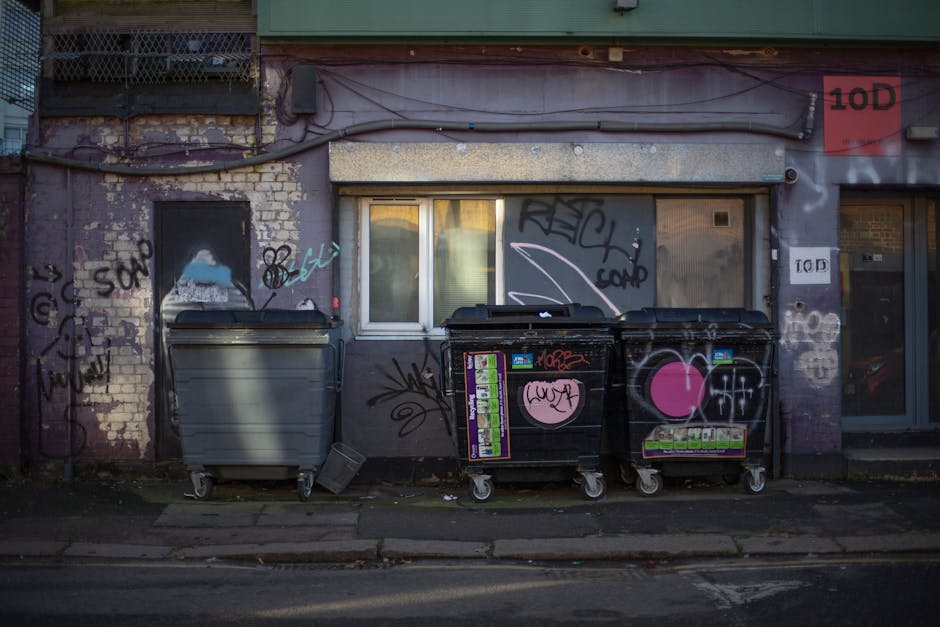
If you are trying to compare Bermondsey rubbish quotes: DIY vs professional prices, you are probably standing in the middle of a room, looking at bags, broken furniture, and one very ordinary question: do I do this myself, or pay someone to take it away? It sounds simple until you start adding up van hire, fuel, loading time, parking, disposal charges, and your own weekend. Then the picture changes a bit.
This guide breaks the decision down in plain English. You will see where DIY can genuinely save money, where professional rubbish removal often costs less than people expect, and how to judge quotes without getting caught out by hidden extras. We will also cover the practical side: access, time, compliance, and the kind of jobs that are easier to hand over than wrestle with on your own.
Truth be told, the cheapest option on paper is not always the cheapest option in reality. Let's work through it properly.
Why comparing Bermondsey rubbish quotes: DIY vs professional prices Matters
Rubbish clearance in Bermondsey can look straightforward, but local conditions change the numbers quite a lot. Tight streets, limited parking, flats with stairs, and mixed waste all affect how much a job really costs. A quote that looks fine at first glance may become expensive once you add labour, waiting time, or extra trips.
That is why a straight price comparison is useful. You are not only comparing pounds and pence; you are comparing convenience, risk, time, and the chance of a job being finished in one go. A DIY clearance may look cheaper because you only see the hire van or the tip fee. A professional clearance may look dearer until you remember you do not need to lift a wardrobe down two flights of stairs on a wet Tuesday evening. Not exactly the same experience.
There is also a hidden value in avoiding mistakes. Overloaded vehicles, incorrect sorting, and last-minute disposal problems can quickly turn a "cheap" DIY run into a frustrating one. A clear comparison helps you decide whether the savings are real or just theoretical.
How comparing Bermondsey rubbish quotes: DIY vs professional prices Works
The comparison works best when you split the job into costs you can measure and costs you can feel. The measurable costs are the obvious ones: van hire, fuel, loading gear, sacks, parking, disposal fees, and any permission or permit-related costs. The less obvious costs are your time, physical effort, and the risk of making more than one trip.
With DIY rubbish removal, you do the planning yourself. You sort the waste, load it, transport it, and unload it. That means more control, but also more responsibility. If a sofa is awkward, if the fridge is heavy, or if the access is narrow, the whole job takes longer. And sometimes longer means costlier.
With a professional service, the quote usually reflects labour, transport, lifting, sorting, and disposal in one package. Good providers will often factor in volume, weight, access, and the type of waste. For example, mixed household rubbish may be priced differently from builder's waste or bulky furniture. If you want to understand service-based pricing more broadly, it can help to look at pricing and quotes alongside the relevant service pages.
The key is to compare like with like. A DIY quote is not just "van cost". A professional quote is not just "someone turning up with a truck". The true comparison includes everything needed to finish the job safely and legally.
Key Benefits and Practical Advantages
There are good reasons people choose either route. It depends on what matters most to you on the day.
Why DIY appeals
- You can sometimes spend less if the load is small and easy to move.
- You control the timing completely.
- You can sort items exactly how you want.
- You may already have access to a van or trailer.
Why professional clearance appeals
- You save physical effort, which matters more than people admit.
- You usually avoid multiple trips.
- The work is often finished faster.
- Bulky, awkward, or heavy items are handled for you.
- There is less chance of parking stress, loading delays, or disposal confusion.
One practical advantage that gets overlooked is consistency. A professional team sees messy clearances every day. They know how to lift, stack, and separate waste efficiently. That usually means fewer surprises. And fewer surprises, in rubbish removal, is a lovely thing.
If the job includes furniture, mixed household items, or a flat full of clutter, you may also want to review related services such as furniture clearance, flat clearance, or house clearance to understand how service scope affects pricing.
Who This Is For and When It Makes Sense
This comparison is especially useful if you are:
- clearing a one-off load from a home or flat
- moving out and need everything gone quickly
- renovating and need old materials removed
- sorting a loft, garage, or garden that has built up over time
- running a small business and trying to reduce waste overheads
DIY often makes sense when the job is light, predictable, and close to home. Think a few bags, a couple of boxes, maybe one chair and a broken small appliance. Once the job becomes bulky or awkward, professional help starts looking smarter.
In our experience, people tend to underestimate two things: stair carrying and time. A job that seems like a quick Saturday chore can eat an entire afternoon once you start moving things one by one. If you need to clear an attic, a garage, or a garden shed, consider whether the effort is really worth the savings. Sometimes yes. Sometimes not even close.
For bigger or mixed waste loads, it can also help to look at loft clearance, garage clearance, garden clearance, or builders waste clearance to judge which type of service matches your situation.
Step-by-Step Guidance
Here is the simplest way to compare Bermondsey rubbish quotes without overcomplicating it.
- List everything that needs removing. Be specific. Count bags, note bulky items, and separate any waste that is likely to need special handling.
- Estimate the volume. A few items in a hallway are very different from a full room of clutter. Volume is a big pricing factor.
- Check access. Are there stairs, no lift, narrow corridors, or awkward parking? These details matter a lot.
- Work out the DIY cost. Include van hire, fuel, disposal charges, sacks, straps, parking, and your time.
- Request a professional quote. Ask what is included and whether there are any extra charges for heavy lifting, restricted access, or sorting.
- Compare total cost, not headline price. A low quote that excludes key tasks may end up costing more.
- Decide based on value. The right choice is usually the one that gives you the best mix of price, speed, and ease.
A useful little habit: write both options on paper before you decide. People think better when the numbers are sitting in front of them. Not glamorous, but effective.
If you are unsure whether your waste is mostly household clutter or mixed rubbish, the broader waste removal page can help you frame the job more clearly before you request pricing.
Expert Tips for Better Results
When you are comparing quotes, the details are where the savings live.
- Ask what the quote covers. Loading, transport, disposal, labour, and VAT can all change the final figure.
- Be honest about the volume. Underestimating waste usually leads to re-quotes or extra charges.
- Photograph the load. A few clear pictures help both DIY planning and professional quoting.
- Separate reusable items early. If something can be sold, donated, or kept, do that before pricing the disposal.
- Think about timing. If you need the space cleared before a move, building work, or end-of-tenancy handover, speed may matter more than small savings.
One small but important tip: if the job involves furniture, check whether some items are easier to dismantle first. A table with the legs off can be much easier to move than the same table left whole. That tiny bit of prep can save a surprising amount of effort.
For businesses, it is often worth comparing DIY with professional collection against regular service needs. A one-off office clear-out is different from ongoing disposal. If that sounds familiar, see business waste removal or office clearance for a clearer picture of service-based pricing.
Common Mistakes to Avoid
Most expensive clearance stories begin with one of these mistakes.
- Comparing only the upfront number. A cheap DIY run can become costly if you need an extra trip.
- Ignoring access issues. Stairs, parking, and load size change the real effort involved.
- Forgetting disposal fees. The van is not the whole story.
- Assuming all waste is the same. Mixed waste, furniture, wood, and builders' rubble do not always cost the same to remove.
- Leaving the booking too late. Last-minute arrangements can limit your options and push prices up.
- Not checking what is excluded. Some quotes sound low because they leave out heavy lifting, stairs, or sorting.
There is also a mental trap: people often compare their own time to "free time". But if you spend six hours moving waste, waiting for the van, and queuing at a disposal point, that time has a value too. A fair comparison includes it. Otherwise the maths gets a bit silly.
Tools, Resources and Recommendations
You do not need a toolkit the size of a builder's van to compare quotes properly, but a few simple things make the decision easier.
- Phone camera: take pictures of the waste from different angles.
- Notebook or notes app: list item types, quantities, and access details.
- Tape measure: useful for bulky furniture and tight corridors.
- Basic gloves and sturdy shoes: if you plan to sort items before collection.
- Time estimate: be honest about how long lifting and loading will take.
If you are comparing different service types, related pages such as furniture disposal, home clearance, and furniture clearance can help you understand where a professional service may be more efficient than a DIY run.
For reassurance around business standards and operational detail, you may also find it useful to review insurance and safety and recycling and sustainability. Those pages help set expectations around how a responsible clearance provider should work.
Law, Compliance, Standards, or Best Practice
Rubbish removal is not just a logistics issue. In the UK, waste must be handled responsibly, and you should be careful about how it is transported, sorted, and handed over. If you are doing it yourself, it is your job to make sure waste goes to the right place and is not fly-tipped. That risk is one of the biggest reasons DIY can go wrong.
For professional services, best practice usually means proper handling, sensible sorting, safe loading, and clear pricing. You should expect the provider to be transparent about what is included and how different waste types are dealt with. It is also wise to check terms before booking, because the small print matters more than people want it to. Funny how that always happens.
If you are comparing quotes for business premises, cleanliness, access, and safe handling can matter even more. Office and commercial clearances often involve mixed waste streams, equipment, and items that need careful removal. In that situation, using a specialist service rather than improvising can reduce risk and disruption.
As a rule of thumb, if the job involves heavy items, awkward access, or anything that could create safety issues, professional help is usually the more sensible option. Not always cheaper upfront, but often better value overall.
Options, Methods, and Comparison Table
Below is a straightforward comparison of DIY versus professional rubbish removal pricing factors. The exact numbers will vary by job, but the trade-offs stay fairly consistent.
| Factor | DIY rubbish removal | Professional rubbish removal |
|---|---|---|
| Upfront cost | Can look lower at first | Usually higher on the quote |
| Hidden extras | Van hire, fuel, parking, disposal fees, extra trips | May include labour, transport, and disposal in one price |
| Time needed | Often longer | Usually much quicker |
| Physical effort | High | Low for the customer |
| Risk of mistakes | Higher, especially with sorting and transport | Lower if the provider is experienced |
| Best for | Small, simple, low-volume jobs | Bulky, mixed, heavy, or time-sensitive jobs |
If you like clean decisions, this is where the comparison becomes easier. DIY tends to win on headline price for very small loads. Professional clearance tends to win on convenience, speed, and reduced hassle. For bigger or messier jobs, the professional route often ends up being better value. You can feel that difference by lunchtime, frankly.
Case Study or Real-World Example
Imagine a Bermondsey flat clearance after a tenancy ends. There are six bags of general rubbish, a broken bookshelf, a mattress, and a couple of small boxes from the hallway cupboard. On paper, DIY looks manageable. You could hire a van, do a run to a disposal site, and save some money.
But then the details arrive. The flat is on an upper floor. Parking is limited outside. The mattress is awkward. The bookshelf does not fit nicely down the stairwell without turning it sideways. Suddenly the job has become a two-person lift and maybe two trips. And if it rains, which it often does in London at the worst possible moment, everything gets a little more annoying.
A professional quote in that situation may appear higher, but it also bundles the heavy lifting, loading, transport, and disposal into one visit. The job is finished faster, the room is clear sooner, and there is less pressure on the tenant or landlord. For time-sensitive work, that can be worth the difference.
Now imagine a different job: three bin bags, one broken chair, and a couple of cardboard boxes. That is where DIY may be the better bargain. Simple, quick, and easy enough to handle without much drama. So yes, context really matters.
Practical Checklist
Use this before you choose between DIY and a professional quote:
- Have I listed every item that needs removing?
- Do I know whether the waste is mixed, bulky, heavy, or specialist?
- Is access simple, or are there stairs, lifts, or parking issues?
- Have I added up the full DIY cost, not just van hire?
- Do I know whether the quote includes loading and disposal?
- Is speed important, or can I spread the work over a few days?
- Would I rather avoid lifting, carrying, and sorting?
- Have I checked whether any items can be reused, donated, or sold first?
- Am I comparing clear, like-for-like options?
- Does the cheaper option still feel like the better one once time and effort are included?
If you can answer those honestly, the decision gets a lot easier. Sometimes the answer is obvious. Sometimes it is annoyingly close. But even then, the right choice usually reveals itself once the full picture is in view.
Conclusion
When you compare Bermondsey rubbish quotes, the real question is not just DIY versus professional price. It is what you are actually paying for: transport, time, safety, convenience, and peace of mind. DIY can work well for small, simple clearances. Professional rubbish removal often makes more sense when the load is bulky, the access is awkward, or the schedule is tight.
The smartest approach is to compare total cost, not just the first number you see. Add up the van, the fuel, the parking, the disposal, and your own time. Then compare that with a professional quote that clearly explains what is included. That is where the genuine value shows up.
Get a free quote today and see how much you can save.
And if you are still weighing it up, that is perfectly normal. A good rubbish removal decision should feel calm, not rushed. Once the clutter is gone, the room feels bigger, quieter, lighter. A small thing, maybe. But a nice one.
Frequently Asked Questions
Is DIY rubbish removal always cheaper than professional clearance?
Not always. DIY can be cheaper for small loads, but once you add van hire, fuel, parking, disposal fees, and extra trips, professional clearance may offer better overall value.
What hidden costs should I look for when comparing quotes?
Look for disposal fees, loading charges, labour, access charges, waiting time, parking, and whether VAT is included. Those are the ones that tend to shift the final total.
When does professional rubbish removal make the most sense?
It usually makes sense when the waste is bulky, heavy, mixed, time-sensitive, or difficult to move through stairs, hallways, or tight parking spaces.
How can I compare quotes fairly?
Make sure both options cover the same job scope. Compare the same items, the same access conditions, and the same assumptions about loading and disposal.
Can I save money by preparing the waste before collection?
Yes. Sorting items, separating reusable goods, and making access easier can reduce labour time and sometimes lower the quote.
What is the biggest DIY mistake people make?
Underestimating the amount of time and effort involved. One trip often turns into two, and awkward furniture can turn a simple job into a long afternoon.
Does the type of rubbish change the price?
Yes. Mixed household waste, furniture, builders' waste, and garden waste can all be priced differently depending on weight, handling, and disposal requirements.
Is it worth paying more for a quicker clearance?
If you need the space cleared for a move, handover, refurbishment, or business use, yes, the speed can easily justify the higher price.
What should a good rubbish quote include?
A good quote should explain what is being removed, how loading is handled, whether disposal is included, and whether there are any extra charges for access or heavy lifting.
Are professional rubbish removers better for flats and upper floors?
Usually yes. Flats and upper floors add lifting, carrying, and access challenges. A professional team is often better equipped to deal with that efficiently.
How do I know if I should choose DIY or a professional service?
If the job is small, simple, and close to home, DIY may be fine. If it is bulky, awkward, or time-critical, a professional service is usually the safer and easier choice.
Can I use the same approach for office and business waste?
You can compare the cost logic in the same way, but business waste often needs a more organised service approach. For that, business waste removal and office clearance are worth reviewing first.